
We supply high-reliability military and defense PCBs, managing manufacturing through approved and audited partner factories across Europe, the USA, and Asia that comply with defense regulations. For ITAR requirements, we utilize ITAR-compliant facilities in the USA, Taiwan, and Europe. Our processes support strict export control requirements and enable seamless military PCB supply chain integration. We also support aerospace applications, where similar requirements for reliability, traceability, and regulatory compliance apply.
“When working with defense, failure is not an option. We adhere to the highest standards, implemented not only by continuously updated processes and ways of working, but also verified by external certifications and customer approvals. By ensuring quality on final products as well as on compliance and information security, we help customer staying competitive and relevant.”
Rikard Wallin
Global Sales Director Aerospace & Defense
NCAB Group

Standards, certifications and compliance
NCAB works in accordance with relevant quality standards, defense regulations, and certification frameworks required for military and aerospace PCB applications, managing compliance through audited factories and controlled manufacturing processes.
Read more about how we work with:
Key areas for defense PCBs
Reliability
A reliable PCB starts with the right design, so we always begin with verifying the customer´s Gerber data to ensure they are complete, perform DRC (design rules check) and DfM reviews, and check build-ups and impedance calculations. Our own PCB specification, related acceptance criteria and quality control in our main factories ensure that the product delivers what it promises.
Technical capability
Producing defense PCBs requires advanced design, materials, and manufacturing capability. We update our key technical capabilities regularly and here you can see some of the key technical capabilities that we are currently able to offer and support. It includes details on materials, PCB technologies, and product types that we produce today, as well as examples of the tolerances we can achieve.
Standards and regulatory compliance
Defense projects often require compliance with stringent industry, military, quality, and cybersecurity requirements. NCAB supports customers by ensuring that manufacturing partners, processes, documentation, and quality controls meet the applicable standards and regulatory requirements for each application.
Traceability and supply chain control
Full traceability across the supply chain is essential. We maintain full control of the supply chain through audited partner factories, structured quality processes, secure data handling, and systems that ensure traceability and compliance at every stage of production.
Selection of applications we serve
Air defense system
Read more
PCBs for control and command of air defense systems and related munition systems. Requirements typically include harsh environments, mission-critical operation, and IPC Class 3.
PCB TechnologyPCB Technology for Air defense system
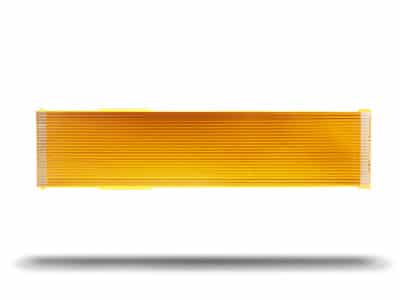

Flexible
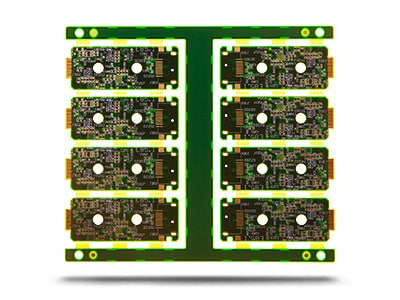
HDI
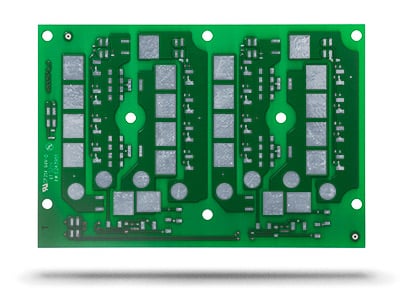
IMS
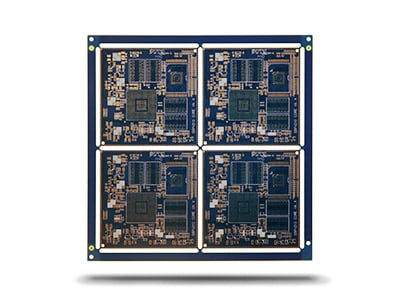
Multilayer
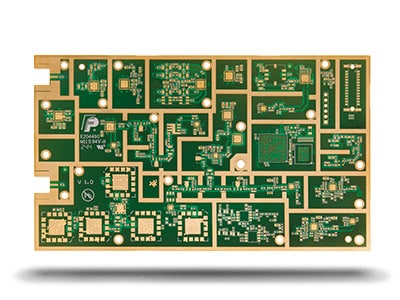
RF - Radio Frequency
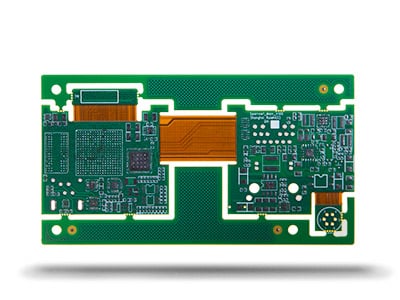
RIGID-FLEX
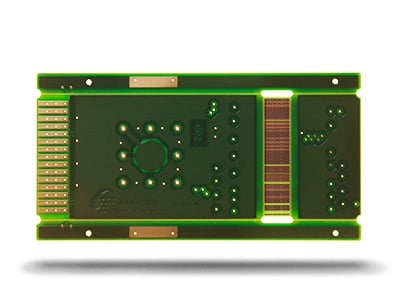
Semi-Flex


Fighter jet electronics
Read more
PCBs for onboard and supporting equipment. Requirements typically include harsh environments, mission-critical operation, and IPC Class 3.
PCB TechnologyPCB Technology for Fighter jet electronics
-
Flexible
-
HDI
-
Multilayer
-
RF - Radio Frequency
-
RIGID-FLEX
Drones
Read more
PCBs for surveillance, cargo and agricultural drones, supporting flight control, communication, navigation and sensor systems. Demands are low weight, high reliability and stable performance in vibration, temperature changes and outdoor environments.
PCB Technology for Drones
-
Flexible
-
HDI
-
IMS
-
Multilayer
-
RF - Radio Frequency
-
RIGID-FLEX
-
Semi-Flex
Satellite communication equipment
Read more
PCBs for mobile satellite communication systems. Requirements typically include rugged environments, mission-critical operation, and IPC Class 3.
PCB TechnologyPCB Technology for Satellite communication equipment
-
Multilayer
Defense command systems
Read more
PCBs for communication and data processing between different defense branches. Demands are usually rugged environment, mission critical and IPC Class 3.
PCB TechnologyPCB Technology for Defense command systems
-
HDI
-
Multilayer
-
RF - Radio Frequency
-
RIGID-FLEX
Deployed vehicles
Read more
PCBs for lighting, radio communication and weapon integration systems. Demands are usually rugged environment, mission critical and IPC Class 3.
PCB TechnologyPCB Technology for Deployed vehicles
-
Multilayer
Field control systems
Read more
PCBs for defense control systems associated with managing conflicts and command sub systems to manage resources. Demands are typically IPC Class 3.
PCB TechnologyPCB Technology for Field control systems
-
HDI
-
Multilayer
-
RF - Radio Frequency
-
RIGID-FLEX
Naval propulsion control systems
Read more
PCBs for electronics steering and propulsion control of vessels. Demands are usually harsh environment, mission critical and IPC Class 3.
PCB TechnologyPCB Technology for Naval propulsion control systems
-
Multilayer
Naval surface radar systems
Read more
PCBs for high-definition radar systems detecting and analyzing friendly objects from hostile. Demands are usually harsh environment, mission critical and IPC Class 3.
PCB TechnologyPCB Technology for Naval surface radar systems
-
HDI
-
RF - Radio Frequency
Some of the Defense customers we serve



Design tools for defense PCBs
To support reliable PCB design from the start, we offer a range of free PCB design tools and guidelines covering multilayer, HDI, Ultra HDI, rigid-flex and other advanced PCB technologies, as well as design tips, checklists, cost optimisation guidance, and Design for Environment (DfE) recommendations.
Technical capabilities for defense PCBs
Defense applications require high-reliability PCB solutions capable of operating under extreme environmental conditions while meeting strict regulatory and security requirements. The following capabilities support these demands across a wide range of defense applications.
- HDI (High Density Interconnect) – Supports compact, high-performance designs in advanced defense electronics. Partner factories are selected and verified through our sourcing and audit processes.
- Microvias – Enable high routing density in complex and space-constrained defense electronics. Manufactured at our partner factories with verified capability for high-reliability and defense-grade production.
- Multilayer PCBs – Support complex signal requirements in mission-critical systems. Designed and produced at partner factories in line with IPC Class 3 and relevant defense standards.
- Rigid-flex PCBs – Reduce connectors and improve reliability in environments exposed to vibration and mechanical stress. Reviewed during DfM to confirm manufacturability and durability.
- Flexible PCBs – Support compact and mechanically demanding designs in airborne, naval, and ground-based systems. Evaluated during design review for material suitability, performance under mechanical stress, and long-term reliability in harsh operating environments.
- Controlled impedance – Ensures stable signal transmission in high-speed and high-frequency defense applications including radar, communications, and electronic warfare systems. Defined and verified in line with our quality requirements.
- RF and high-frequency PCBs – Support applications requiring controlled signal behaviour and low-loss materials. Materials and technologies selected based on application requirements and verified factory capability.
- High-reliability materials (e.g. High-Tg) – Maintain performance under the extreme temperature cycling, humidity, and environmental exposure typical of defense deployments. Material selection is guided by application requirements, defense standards, and our technical team.
- Thermal management (IMS and advanced constructions) – Supports high-power applications requiring efficient heat dissipation, including systems operating in harsh environments. Produced at partner factories qualified for IMS and advanced thermal constructions through NCAB’s Factory Requirement Specification, supporting high-power defense applications in demanding operating environments.
- Heavy copper PCBs – Support high-current and high-power applications in defense systems, including power distribution, control units, and ruggedised electronics. Manufactured at partner factories with capability for increased copper thickness, with designs reviewed to ensure thermal performance and reliability under demanding operating conditions.
Quality assurance for defense PCBs
All our PCBs are produced through a controlled and compliant manufacturing process supported by NCAB’s engineering, quality, and supply chain management at audited partner factories. The following processes and controls are applied as standard or defined per application:
- 100% electrical testing – Every board is tested against the netlist before shipment, not sampled, in line with NCAB’s quality requirements. This ensures electrical performance for mission-critical defense applications where reliability is essential. Watch the process here >
- Automated optical inspection (AOI) – Conducted at multiple stages of production at partner factories in line with NCAB’s quality requirements to detect defects and ensure conformance to specification. This supports consistent quality across high-reliability and IPC Class 3 defense builds. Watch the process here (inner layer AOI) >
- X-ray inspection – Used at partner factories to verify internal structures such as layer integrity and via quality, particularly for complex constructions and IPC Class 3 applications. Applied and verified through NCAB’s factory oversight and audit processes.
- Microsection analysis – Verifies internal layer construction and plating thickness against IPC Class requirements, supporting long-term reliability in harsh operating environments. Applied within manufacturing processes and reviewed through NCAB’s quality oversight and factory audits.
- Controlled manufacturing and documentation – Production is managed through documented processes aligned with NCAB’s PCB specification and customer-specific defense requirements. Our teams ensure traceability and documentation to support compliance, audits, and long-lifecycle defense programmes.
- Export control and data security – Manufacturing and data handling are managed in line with NCAB’s export control and security processes, including ITAR and relevant dual-use regulations. This ensures secure handling of sensitive technical data across the defense supply chain.
- Flying probe testing – Used for prototype and low-volume builds at partner factories where dedicated fixtures are not required, ensuring full electrical verification during early-stage development. Applied in line with our testing requirements and overseen through engineering and quality processes.
FAQ about defense PCBs
What special design rules apply when designing PCBs for defense applications?
There are no specific design specifications for aerospace & defense applications. Requirements are defined based on the application and its intended use. Designs for aerospace and defense are typically adapted for high technical performance with a tolerance for various extreme environments such as altitude, shock/vibration and thermal management.
Is NCAB AS/EN9100 certified?
AS/EN9100 certification only applies to manufacturing entities. NCAB does comply with AS/EN9120, a certification for traders, but focus on securing AS/EN9100 certified factories ensuring all NCAB produced PCBs meet the demands and requirements for aviation, space and defense applications.
Can you protect my technical data?
NCAB has high information security standards in all our normal operations. For sensitive projects, we have developed a secure environment, built to the NIST 800-171 standard, ensuring customer data remains protected at all times. Furthermore, NCAB Group USA are CMMC Level 2 certified, as required by US Department of Defense (DoD) for government contracts.
What does ITAR compliance mean and how does NCAB ensure it?
ITAR compliance refers to U.S. regulations controlling the handling and export of defense-related products and technical data. NCAB ensures compliance through ITAR-registered operations, strict export control processes, secure handling of sensitive data, and the use of approved and ITAR-registered facilities in the USA, Taiwan, and Europe.
What military and aerospace PCB standards does NCAB work to?
NCAB works in accordance with key industry and defense standards, including IPC Class 3 / IPC‑6012, MIL‑PRF‑31032, AS9100 / EN9100, AQAP, NADCAP, and relevant cybersecurity and quality frameworks.
Insights

PCB design for extreme environments
PCB design for extreme environments – challenges with thermal management, altitude and shock and vibration events.

PCBs for Harsh and Extreme Environments: What defines an extreme environment?
PCBs used in harsh and extreme environments will be exposed to extreme situations. Learn about what defines extreme environments and about the PCBs used.

PCBs for the defense industry
We have talked to some of our NCAB experts regarding what to think about when producing reliable PCBs for the defense industry.
Webinars

Have questions or want to discuss your defense PCB application?
Contact your local company or any of our defense specialists.
Our defense specialists


