
Civilian air traffic is changing quickly. Aircraft systems need to become more efficient, while new fuel sources and electrified or hybrid powertrains are being developed to support long-term sustainability goals. These developments place high demands on aviation electronics, including the PCBs used in safety-critical and connected systems.
We also support defense applications, where many of the same needs apply, including reliability, traceability and regulatory compliance.
“From passenger electronics to mission-critical aerospace and space systems, our reliable PCBs ensure consistent performance when failure is not an option.”
Rikard Wallin
Global Sales Director Aerospace & Defense
NCAB Group

Standards, certifications and compliance
Aerospace PCB projects are primarily driven by high reliability, safety and long-term performance requirements. We work with carefully selected partner factories and to maintain quality and reliability we have our own, dedicated teams in our main factories. All our partner factories working with aerospace PCBs are qualified for this, and our onsite Quality Control technicians (QCs) confirm that the PCBs are manufactured and verified according to our specifications and industry requirements.
We were the first PCB supplier introduced to the Aero Excellence Collaborative Platform, launched by GIFAS (Groupement des Industries Françaises Aéronautiques et Spatiales), the French aerospace industry association. The platform focuses on operational excellence, environmental performance and cybersecurity across the aerospace sector.
Depending on the application, aerospace projects may also require compliance with data protection regulations, export control requirements, and frameworks such as ITAR and EAR.
Key areas for aerospace PCBs
Reliability
A reliable PCB starts with the right design, so we always begin by verifying the customer’s Gerber data to ensure it is complete, performing DRC (design rules check) and DfM reviews, and checking build-ups and impedance calculations. Our own PCB specification, related acceptance criteria and quality control in our main factories ensure that the product delivers what it promises
Technical capability
Aerospace PCBs often involve advanced materials, tight tolerances and demanding production requirements. Depending on the application, this may include lightweight constructions, high-frequency materials, high layer counts, or other high-reliability builds. We regularly review and update our technical capabilities to meet the needs of our customers’ projects.
Standards and regulatory compliance
Aviation and aerospace projects often involve strict quality, reliability, and documentation requirements across the supply chain. We ensure that our partner factories, quality systems, and processes align with recognized aerospace standards such as AS9100/EN9100 and AS/EN9102 for First Article Inspection (FAI).
Traceability and supply chain control
PCBs for aerospace applications are often used for a long time, so it is important that documentation about the PCB is handled carefully. We have structured quality routines, secure data handling and traceability throughout the entire production process to ensure this is handled properly.
Selection of applications we serve
Aircraft radio communication system
Read more
PCBs for radio communication systems between aircraft, flight control and pilots. Demands are IPC 6012 Avionics PCB standard AS9100.
PCB TechnologyPCB Technology for Aircraft radio communication system
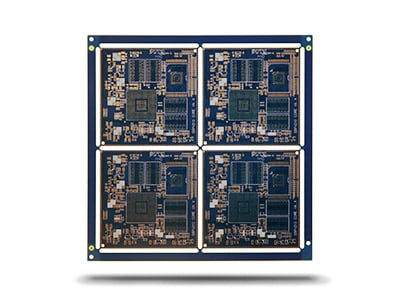

Multilayer
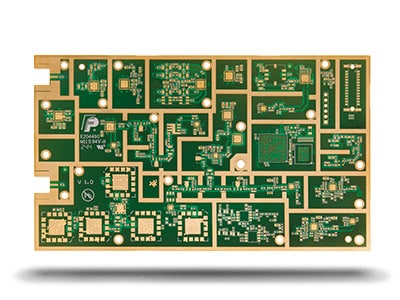
RF - Radio Frequency


Aircraft transponder
Read more
PCBs for transmitting and receiving signals (XPDR), identifying the individual aircraft. Demands are high reliability and safety critical function, IPC Class 3 and AS9100 standard.
PCB TechnologyPCB Technology for Aircraft transponder
-
Multilayer
-
RF - Radio Frequency
Drones
Read more
PCBs for surveillance, cargo and agricultural drones, supporting flight control, communication, navigation and sensor systems. Demands are low weight, high reliability and stable performance in vibration, temperature changes and outdoor environments.
PCB Technology for Drones
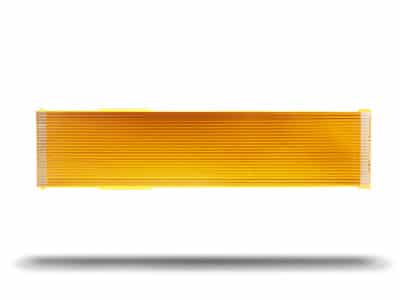
Flexible
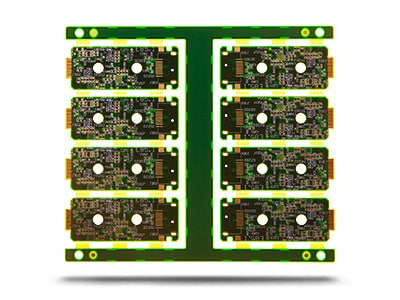
HDI
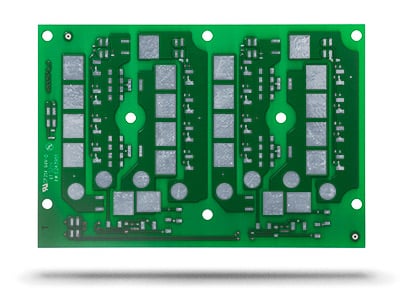
IMS
-
Multilayer
-
RF - Radio Frequency
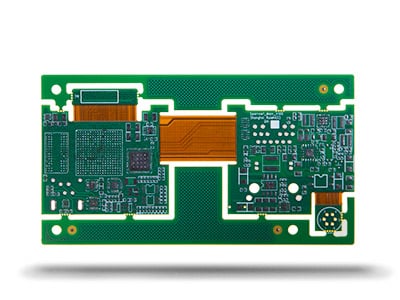
RIGID-FLEX
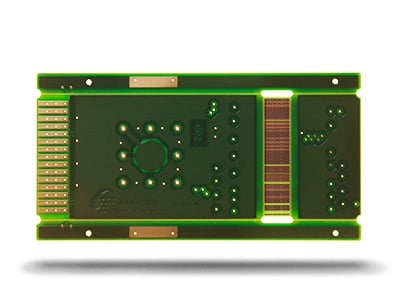
Semi-Flex


Airfield ground lighting systems
Read more
PCBs for airfield ground lighting (AGL) control systems. Demands are long service life, high reliability and safety critical function.
PCB TechnologyPCB Technology for Airfield ground lighting systems
-
IMS
-
Multilayer
Civil aviation
Read more
PCBs for engine, hydraulic, motion and actuator controls, power distribution, sensors and communication systems. These are the functions that keep us safe in the air. Climate, lightning and entertainment equipment systems gives us comfort in the cabin. Demands are typically IPC Class 3, ISO/AS 9100.
PCB TechnologyPCB Technology for Civil aviation
-
HDI
Private aircraft
Read more
PCBs for instrumentation and navigation, communication, weather data, airspace information and aircraft data. Demands are typically IPC Class 3.
PCB TechnologyPCB Technology for Private aircraft
-
HDI
-
Multilayer
Radar
Read more
PCBs for radar applications: naval, satellite, defense, aerospace, aircraft, microwave antennas and associated signal transmission systems. Demands are signal integrity, high-speed computing and thermal management.
PCB TechnologyPCB Technology for Radar
-
HDI
-
RF - Radio Frequency
Space equipment
Read more
PCBs for high radiation (HI RAD), requires materials as teflon or polyamid for withstanding extreme surrounding temperatures. Demands are rugged and well tested PCB-solutions. Standards are typically IPC 6012DS, ECSS-Q-ST-70-60C and AS9100.
PCB TechnologyPCB Technology for Space equipment
-
HDI
-
RF - Radio Frequency
-
RIGID-FLEX
Vision systems
Read more
PCBs for thermal vision systems: IR-cameras and airborne camera pods. Demands are typically IPC Class 3.
PCB TechnologyPCB Technology for Vision systems
-
HDI
-
Multilayer
-
RIGID-FLEX
Design tools for aerospace PCBs
To support reliable PCB design from the start, we offer a range of free PCB design tools and guidelines covering multilayer, HDI, Ultra HDI, rigid-flex, and other advanced PCB technologies, as well as design tips, checklists, cost optimisation guidance, and Design for Environment (DfE) recommendations.
Technical capabilities for aerospace PCBs
Aerospace electronics often need to perform under conditions involving vibration, temperature changes, humidity and altitude, as well as over long service lifecycles.
- HDI (High Density Interconnect) – Used in compact aerospace electronics where high performance needs to fit into smaller, lighter designs. We review the project requirements and match them with suitable manufacturing capabilities.
- Microvias – Enable high routing density in compact and space-constrained aerospace electronics, supporting increased functionality without increasing board size or weight.
- Multilayer PCBs – Used for complex signal routing and high layer counts in aviation systems, including avionics, communications, and navigation. Requirements such as IPC Class 3 or aerospace-specific standards are reviewed as part of the project setup.
- Rigid-flex PCBs – Reduce connectors and improve reliability in environments exposed to vibration and mechanical stress. Reviewed during DfM to confirm manufacturability and durability.
- Flexible PCBs – Support lightweight and mechanically demanding designs in aircraft, satellite and other aerospace applications. Evaluated during design review for material suitability, mechanical performance and long-term reliability.
- Controlled impedance – Important for stable signal transmission in high-speed and high-frequency aerospace applications, including avionics, communications, navigation and radar systems. Impedance requirements are defined early and checked against the chosen materials, stack-up and manufacturing capability.
- RF and high-frequency PCBs – Support applications requiring precise signal performance, including radar, satellite communications, navigation and wireless systems. Materials and technologies are selected based on application requirements and manufacturing feasibility.
- High-reliability materials (e.g. High-Tg) – Material selection may include High-Tg, low-loss, RF or thermally stable materials depending on the operating environment. NCAB reviews material suitability against temperature variation, vibration, humidity and customer requirements.
- Thermal management (IMS and advanced constructions) – Relevant for aerospace systems where heat needs to be managed carefully, such as power electronics, avionics and communications equipment. We match these projects with partner factories qualified for IMS and advanced thermal constructions.
- Lightweight PCB constructions – Weight reduction is a key consideration in many aerospace applications. HDI, rigid-flex and optimised stack-up designs can help reduce overall system weight while maintaining reliability and performance. NCAB supports this through design reviews, stack-up optimisation and access to manufacturing partners with suitable advanced PCB capabilities.
Quality assurance for aerospace PCBs
For aerospace PCBs, quality assurance depends on clear requirements, qualified manufacturing partners and controlled production. NCAB’s engineering, quality and supply chain teams support each project from setup through manufacturing, testing and documentation, with a focus on reliability, traceability and long-term consistency.
- 100% electrical testing – Every board is tested against the netlist before shipment, rather than being sampled. This helps confirm electrical performance before the boards leave the factory. Watch the process here >
- Flying probe testing – Used for prototype and low-volume builds at partner factories where dedicated fixtures are not required, ensuring full electrical verification during early-stage development. Applied in line with NCAB’s testing requirements and overseen through engineering and quality processes.
- Automated optical inspection (AOI) – Used during production to detect visible defects and check that the board conforms to specification. For high-reliability builds, it supports consistent quality across production. Watch the process here (inner layer AOI) >
- X-ray inspection – Used to check internal features such as layer registration and via quality, especially in complex constructions. The need for X-ray inspection is defined by the board design and project requirements.
- Microsection analysis – Used to verify internal construction details, including plating thickness and layer structure. This is especially important for boards built to higher reliability requirements.
- Controlled manufacturing and documentation – Production is managed against the agreed PCB specification and any customer-specific aerospace requirements. Documentation and traceability are handled according to the needs of the project, including audit and compliance requirements where applicable.
- Quality management and lifecycle support – Aerospace programmes can run for many years, so consistency over time matters. NCAB follows up with partner factories and supports controlled handling of product and manufacturing data throughout the supply chain.
FAQ about aerospace PCBs
What PCB standards are commonly used in aviation and aerospace applications?
Aerospace PCB requirements are usually driven by reliability, safety, documentation and the operating environment. Common standards may include IPC Class 3 and IPC-6012, including aerospace-specific addenda where relevant. Depending on the programme, requirements may also include AS9100 or EN9100 quality management systems, Nadcap-accredited processes or customer-specific requirements.
What is Aero Excellence and why is it relevant for aerospace PCBs?
Aero Excellence is a collaborative platform launched by GIFAS (Groupement des Industries Françaises Aéronautiques et Spatiales), the French aerospace industry association, to strengthen operational excellence, environmental excellence and cybersecurity across the aerospace sector. NCAB Group was the first PCB supplier introduced to the platform after online and on-site assessments, supporting its work with high-reliability aerospace PCB projects.
What special requirements apply to aerospace PCBs?
Aerospace PCBs may need to withstand temperature variation, vibration, humidity, altitude, radiation exposure and long service lifecycles. This affects material selection, production controls, testing and the level of documentation required. The exact requirements depend on the application and its intended operating environment.
How are aerospace PCBs tested and verified?
Aerospace PCBs may require 100% electrical testing, AOI, X-ray inspection, microsection analysis and other verification steps depending on the board design and project requirements. The purpose is to confirm that the PCB meets agreed specifications before shipment and to support traceability, reliability and long-term consistency.
Why are rigid-flex PCBs commonly used in aerospace systems?
Rigid-flex PCBs can help reduce weight, minimise connectors and improve reliability in aerospace applications exposed to vibration and mechanical stress. By combining rigid and flexible circuit sections into one assembly, they can also support compact designs and simplify integration.
How does NCAB ensure traceability for aerospace PCB projects?
Traceability for aerospace PCBs depends on controlled production records, clear documentation and secure handling of product and manufacturing data. Where required, documentation such as Certificates of Conformance can support compliance, quality assurance and counterfeit prevention.
How does NCAB support long-lifecycle aerospace programmes?
Long-lifecycle aerospace programmes need repeatable quality, stable documentation and a supply chain that can be managed over time. NCAB supports this through established manufacturing relationships, ongoing factory follow-up, quality routines and project-specific continuity planning.
Insights

PCB design for supply stability
Design for supply stability is ultimately about shifting the conversation upstream.
Instead of reacting to shortages and cost increases after a design is complete, we build resilience into the design itself.

PCB Requirements for the Aerospace Industry
The design and performance of the aerospace PCB, a key to all aerospace systems, must be impeccable. Learn more here.

PCB design for extreme environments
PCB design for extreme environments – challenges with thermal management, altitude and shock and vibration events.

PCBs for Harsh and Extreme Environments: What defines an extreme environment?
PCBs used in harsh and extreme environments will be exposed to extreme situations. Learn about what defines extreme environments and about the PCBs used.

PCB designs with high-power applications – demands and considerations
High-power applications are those that require a lot of power to operate. This is usually because they are used in devices that need to be able to run for a long time without being plugged in.
Webinars

Have questions or want to discuss your aerospace PCB application?
Contact your local company or any of our defense specialists.
Our aerospace specialists


